Beyond the Bot: Why Your Remote Team is Losing the Meeting Game (and How AI Fixes It)

Beyond the Bot: Why Your Remote Team is Losing the Meeting Game (and How AI Fixes It)
In the modern hybrid workplace, the "meeting after the meeting" has become a productivity killer. You know the drill: spending forty-five minutes in a Zoom call, only to spend another thirty minutes afterward hunting through a recording to remember who owned which action item.
For distributed teams, information is the most valuable currency. When that information is buried in hours of video, your team loses momentum. This is where AI Meeting Assistants step in—not just as transcription tools, but as intelligent documentation engines that transform spoken words into structured business assets.
Here are the top 8 ai meeting assistants currently revolutionizing remote and hybrid collaboration, with a deep dive into how they work and why they matter for your bottom line.
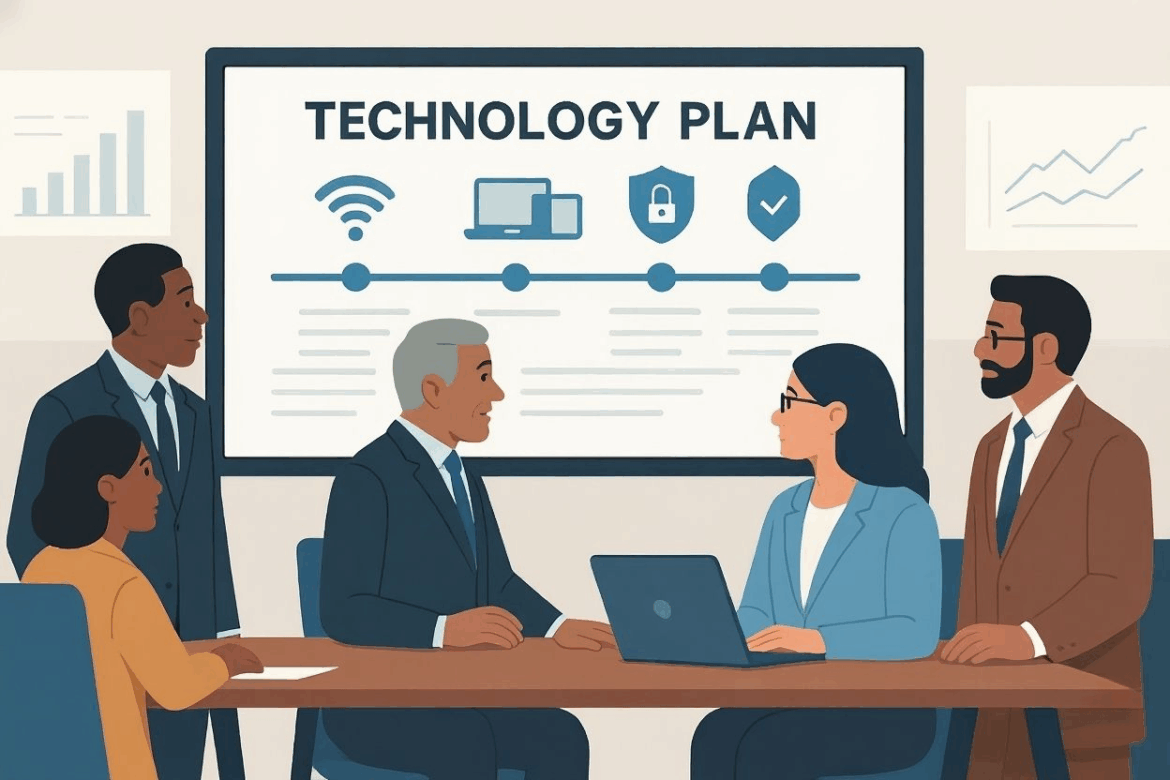
1. Paradiso AI: The Strategic Customization Leader
While many tools offer a "one-size-fits-all" experience, Paradiso AI is designed for organizations that need their AI to speak their language. It excels in environments where specialized terminology—like medical, legal, or technical jargon—is the norm.
How it Works: paradiso integrates directly into your existing ecosystem (CRMs, LMS, or Project Management tools). It doesn't just record; it analyzes the conversation against your company's specific goals.
Business Value: By syncing directly with your CRM, Paradiso AI ensures that sales insights move from the "meeting bubble" into your actual revenue pipeline without manual data entry.
Best For: Teams looking for a tailor-made AI assistant that adapts to their specific industry workflows.
2. Zoom AI Companion: The Integrated Powerhouse
If your organization lives in Zoom, the Zoom AI Companion is the path of least resistance. It’s built directly into the interface you already use, meaning there’s no extra "bot" to invite to the call.
How it Works: The AI runs in the background of your Zoom client. If you join a meeting five minutes late, you can ask the AI to "catch me up" in a private side-bar, and it will provide a summary of what you missed in real-time.
Business Value: It eliminates the "late-joiner friction" and provides instant recaps at no additional cost for most paid Zoom licenses.
Best For: Zoom-centric companies that want a seamless, no-setup-required experience.
3. Read.ai: The Data-Driven Consultant
Read.ai is for the team that loves metrics. It goes beyond the "what" of a meeting to analyze the "how."
How it Works: During the call, Read.ai measures participant engagement and sentiment. Post-meeting, it gives the session a "score" and identifies if the meeting was productive or if it could have been an email.
Business Value: It helps managers identify "meeting fatigue" and optimize their team's schedule by highlighting which recurring meetings provide the least value.
Best For: Operations leads and HR managers focused on team wellness and meeting efficiency.
4. Otter.ai: The Transcription Gold Standard
Otter.ai was one of the first to master real-time transcription, and it remains a favorite for its high accuracy and collaborative "live" features.
How it Works: As people speak, Otter generates a scrolling transcript in real-time. Team members can highlight text or add comments during the live call, turning the transcript into a collaborative document.
Business Value: It is perfect for workshops or brainstorming sessions where capturing the exact wording of an idea is critical.
Best For: Journalists, researchers, and creative teams who need verbatim accuracy.
5. Fireflies.ai: The Ultimate Knowledge Base
Fireflies.ai treats your meetings like a searchable library. It’s not just about the last meeting; it’s about every meeting your company has ever had.
How it Works: The "Fred" bot joins your calls and archives everything into a "Notebook." You can use the "AskFred" search feature to ask questions like, "What did we decide about the budget last quarter?" and it will pull data from across dozens of recordings.
Business Value: It preserves institutional knowledge, ensuring that even if a team member leaves, their insights and decisions remain accessible.
Best For: Growing startups and enterprises that need a long-term "brain" for their internal communications.
6. Krisp: The Professionalism Shield
Unlike other tools on this list, Krisp doesn't focus on the notes; it focuses on the clarity.
How it Works: Krisp uses on-device AI to strip away background noise (dogs barking, traffic, keyboards) and "room echo" from both ends of the call. Recently, it added "AI Meeting Notes" to its suite.
Business Value: For remote workers in noisy environments, Krisp is the difference between looking like a professional and looking like a hobbyist.
Best For: Remote employees working from cafes, co-working spaces, or busy households.
7. tl;dv: The Video Context King
tl;dv (Too Long; Didn't View) is built for the "asynchronous" era. It understands that you shouldn't have to watch a 60-minute video to find a 2-minute update.
How it Works: It allows you to "tag" specific moments during a live call. These tags become timestamps in the summary, allowing anyone who missed the meeting to jump directly to the parts relevant to them.
Business Value: It drastically reduces the "catch-up" time for cross-functional teams and stakeholders who only need high-level updates.
Best For: Product and engineering teams working across different time zones.
8. Sonix.ai: The Multilingual Specialist
For global teams, language barriers are a real hurdle. Sonix.ai focuses on heavy-duty transcription and translation.
How it Works: It supports over 40 languages and offers powerful in-browser editors for cleaning up transcripts. It can automatically translate your meeting summaries into dozens of languages for global distribution.
Business Value: It ensures that global offices remain aligned, regardless of the primary language spoken in the main meeting.
Best For: International corporations and teams with a diverse, global footprint.
The Workflow: From "Hello" to Action Items
Implementing these tools follows a simple, automated logic:
Capture: The AI joins via a calendar invite or direct link.
Process: Real-time NLP (Natural Language Processing) converts audio to text and identifies speakers.
Distill: The LLM (Large Language Model) summarizes the text into headers, bullet points, and tasks.
Sync: The resulting data is pushed to your Slack, Notion, or Trello automatically.
Conclusion: Your Most Productive Employee is an AI
The shift to remote and hybrid work isn't a challenge to be survived—it’s an opportunity to be optimized. By deploying an AI meeting assistant, you aren't just "taking better notes." You are building a searchable, intelligent database of your company’s best ideas.
Ready to reclaim your calendar? Start by auditing your next three meetings. If you find yourself scribbling notes instead of engaging in the conversation, it’s time to let the AI take the lead.